Kinetic Typography AI: How to Make Animated Text That Actually Moves With Meaning
How to make real kinetic typography with AI: five use cases, a title sequence walkthrough in MotionVid, prompting tips, and where After Effects still wins.

Co-founder, MotionVid ·
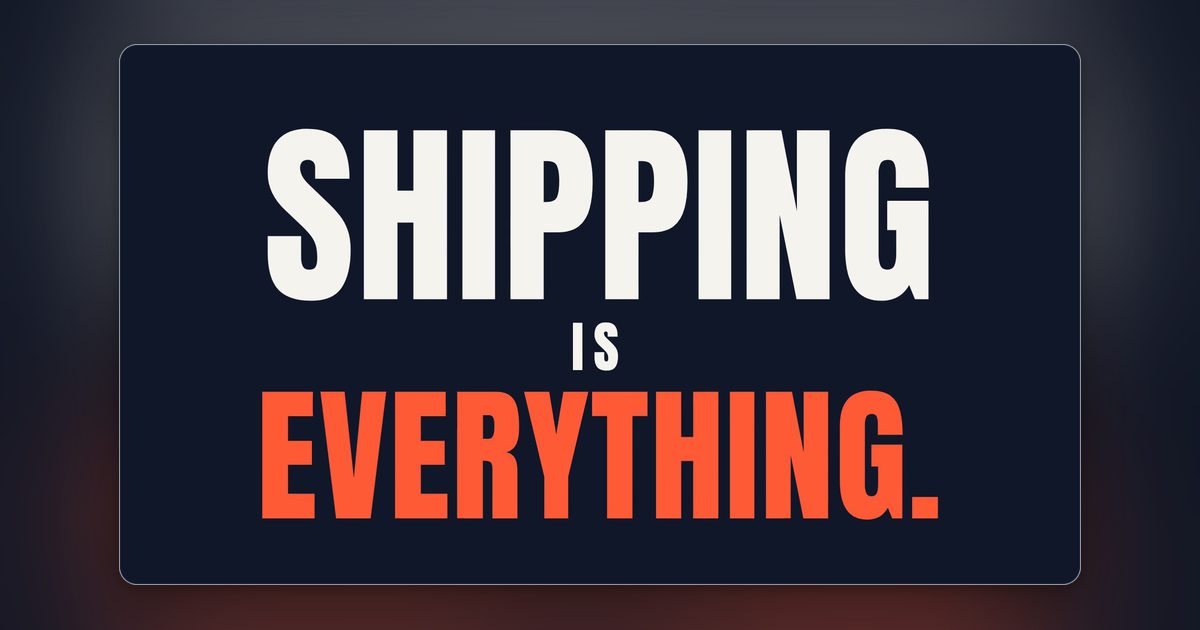
Kinetic typography is text that moves with intent. Not a caption popping in, not a lower third sliding up, but words whose motion carries the message: a title that slams onto the screen on a drum hit, lyrics that cascade in time with a vocal, a product name that splits apart and reassembles. For decades this was After Effects territory. Keyframes, easing curves, expressions, and a full afternoon for ten seconds of animation.
Search "kinetic typography ai" today and you mostly get tool landing pages promising results in seconds, plus Reddit threads full of people asking if any of it actually works. Both are missing the useful middle: what AI genuinely does well with animated text, what it still can't do, and how to get a usable result instead of a generic one.
I've spent years as a filmmaker doing this the manual way, and I built MotionVid partly because animated text was the thing clients always wanted and never wanted to pay After Effects hours for. This guide covers where kinetic typography AI fits in a real workflow, five places it earns its keep, and a step-by-step title sequence build you can copy.
What Counts as Kinetic Typography (and What Doesn't)
Kinetic typography is animation where the type itself is the subject. The motion isn't decoration, it communicates: urgency, rhythm, hierarchy, tone. The classic reference point is mid-century film title design, where opening credits became short films in their own right, and the craft has run through music videos, ad idents, and YouTube intros ever since.
What it isn't: auto-captions with a bounce effect. Caption tools that highlight the current word are useful for talking-head clips, but that's subtitling with energy, not kinetic typography. The distinction matters when you're picking a tool, because half the products ranking for this keyword are caption generators or template libraries wearing the label.
A quick test: if you deleted the voiceover and the footage, would the text animation still hold attention on its own? If yes, that's kinetic typography.
Where AI Actually Helps (and Where It Doesn't)
The tools in this space fall into three buckets, and knowing which one you're looking at saves you a wasted subscription.
Template libraries
Renderforest, FlexClip, and asset packs like MotionVFX's DesignStudio offer a range of pre-built text animations where you swap in your own words. They all work the same way: pick a pack, type your text, render. Predictable and fast, but everyone using the same pack gets the same motion. Fine for internal videos, weak for anything meant to stand out.
Caption-style generators
Tools like Opus Clip's kinetic typography maker turn scripts or prompts into animated text videos. They're built for volume social output: podcast quotes, faceless channels, clip factories. Good at what they do, but the motion vocabulary is narrow by design.
Generative motion graphics
This is where you describe the animation you want in plain language and a model generates original motion. It's what MotionVid's motion graphics tool does with our Animora model: you write "the word FOCUS in heavy condensed type, letters tracking apart slowly over black, one letter drops on the beat" and you get that specific animation, not a template that approximates it.
Here's what the landing pages leave out: generative tools give you original motion and fast style exploration, but not frame-perfect control. You can't nudge a keyframe two frames left or match an exact easing curve from a brand's motion guidelines. If a client hands you a motion spec document, After Effects is still the right answer, and I say that as the person selling the alternative. I wrote up the full trade-off in MotionVid vs After Effects.
Worth acknowledging: the kinetic typography community on Reddit is openly skeptical of AI tools, partly over training-data ethics and partly because early results looked mushy. The ethics debate is real and ongoing. On quality, the fair assessment is that generative text animation in 2026 is genuinely usable for titles and short sequences, and still wrong for long-form precision work.
Five Places Kinetic Typography AI Earns Its Keep
1. Title sequences for films, docs, and YouTube series
The highest-value use case and the one templates serve worst, because a title sequence is supposed to be yours. A 5 to 10 second animated title sets tone before a single frame of footage. This is where generative tools shine: you can explore five completely different motion directions in the time it takes to open an After Effects project.
2. YouTube intros and channel idents
A channel name with signature motion, reused across every video. This is the best generations-to-value ratio on this list: you spend a handful of generations iterating once, and the winner runs at the top of every upload for the next year. Commissioning the same ident from an editor is a one-off purchase; generating it yourself means you can also refresh it each season without starting over.
3. Lyric videos and music promos
Labels and independent artists need lyric videos fast and cheap. Word-by-word cascades, beat-synced slams, type that breathes with the vocal. AI won't sync to your waveform automatically, but generating the motion in sections and cutting to the track in your editor is dramatically faster than keyframing every word.
4. Product launch and ad text
Feature callouts, price reveals, launch countdowns. Kinetic type carries ads with no footage at all, which is why so many SaaS and ecommerce ads are pure animated text. Batch-generating variations for A/B tests is the quiet killer feature here.
5. Quote cards and social hooks
Say you're posting a Reel about pricing mistakes. The hook line is "You're charging half what you should." Generate it as white type that slams in word by word over two seconds, with "half" landing last and slightly oversized. That's the whole job: one line, one aggressive motion, done before the viewer's thumb moves. Nobody pauses a vertical video to admire the easing curves, which is why this is the use case where speed matters more than precision. A hook like this is disposable by design. You'll make a different one tomorrow, so the ability to type a line and get motion back in a minute beats a polished template you'd have to customize anyway.
How to Make a Kinetic Title Sequence With MotionVid
Here's the exact workflow, using the title sequence use case since it's the one people ask about most.
Step 1: Write the prompt like a motion brief
Open the motion graphics tool and describe three things: the text, the motion, and the style. Treat it like briefing an animator, not typing a keyword. A weak prompt is "animated title NIGHT SHIFT." A strong one is:
> "Kinetic title sequence: the words NIGHT SHIFT in bold condensed uppercase, slamming in word by word over pure black, harsh white type, letters tracking apart on the final beat, film noir mood, subtle grain, 6 seconds."
Motion verbs do the heavy lifting: slam, cascade, track, split, sweep, stutter, dissolve. Style anchors like "Swiss minimalism," "stencil grunge," or "neon signage" steer the look more reliably than adjectives like "cool" or "modern."
Step 2: Generate, then iterate on one variable at a time
Animora generates the sequence from your description. The first result is a draft, not a verdict. Regenerate while changing one thing per pass: swap the motion verb, change the pacing, flip the palette. Two or three iterations usually lands it. Changing everything at once teaches you nothing about what the model responds to.
Step 3: Export and finish in your editor
Download the clip and cut it into your timeline like any other asset. Two finishing moves make AI titles feel intentional: sync the motion beats to sound (a whoosh, a hit, a room tone drop), and hold the final frame a beat longer than feels natural. Sound design is half of why professional title sequences feel expensive, and it's the half AI doesn't do for you.
If you'd rather start from a known-good structure and modify, the templates library has text-driven starting points you can repoint with your own prompt.
Prompting Kinetic Typography: A Short Field Guide
Patterns that consistently work when prompting text animation, in MotionVid or any generative tool:
- Name the exact text, in quotes or caps. Models handle short strings far better than sentences. Two to four words per generated sequence, then cut sequences together for longer pieces.
- One motion idea per clip. "Slams in, then shatters, then orbits" produces mush. "Slams in, holds, tracks apart" produces a title.
- Describe type like a designer. "Heavy condensed uppercase," "thin wide-tracked serif," "hand-painted brush script." You're steering a style, not loading a font file.
- Anchor the background. "Over pure black" or "on warm paper texture" prevents the model inventing a busy scene that fights the type.
- Set duration and pacing. "6 seconds, slow build, hard ending" beats hoping for the best.
The misses are predictable too: long sentences turn to soup, requests for specific licensed fonts get approximations, and ultra-fine details like exact kerning are out of scope. Design around the strengths (motion, mood, rhythm) and composite anything pixel-critical in your editor.
What It Costs
MotionVid runs credit-capped monthly plans: Starter at $19 for 500 credits, Pro at $29 for 800, Ultimate at $49 for 1,500, and Creator at $249 for 8,000. A finished title sequence typically takes two to three passes to nail, and every pass draws credits from your monthly pool. MotionVid's pricing page sizes Starter's 500 credits at roughly 15 to 30 videos a month, about $0.63 to $1.27 per video, so a few title sequences a month fit Starter and a heavier schedule belongs on Pro or Ultimate. Short, simple title cards may use fewer credits than that sizing assumes, so check the credit counter on your first few. Full breakdown on the pricing page.
After Effects runs around $23 a month on Adobe's annual single-app plan, but the subscription is the small line item. The real math is time: a title card that takes twenty minutes on a $19 MotionVid plan is an afternoon of keyframing in After Effects, and at any reasonable hourly rate, that afternoon costs more than a year of either subscription.
Frequently asked questions
Can AI really do kinetic typography, or is it all just templates?
Both exist and they're different products. You can tell which one a tool is from its landing page in about ten seconds: if the first thing you see is a gallery of finished animations to browse, it's a template tool. If it opens with a prompt box asking what you want to make, it's generative. MotionVid is the second kind.
What's the best AI tool for kinetic typography?
Match the tool to the job: Opus Clip if you're captioning clips in bulk, Renderforest or FlexClip if you're swapping your text into an existing animation, MotionVid if you're describing an original from scratch. In practice a lot of creators run two: a caption tool handling the daily volume clips, and a generative tool for the handful of pieces that actually carry the brand, like a channel intro or a launch video.
Can I use my own brand font?
Generative tools interpret style descriptions rather than loading font files, so you'll get a close stylistic match, not your licensed font rendered exactly. When the exact typeface is non-negotiable, generate the motion and background with AI, then set the type itself in your editor on top.
How long does a kinetic title sequence take with AI?
Typically 15 to 30 minutes end to end: a few minutes writing the prompt, two or three generation passes to refine, then export and sound sync in your editor. The same sequence keyframed by hand in After Effects is usually measured in hours.
Do I need After Effects experience to get good results?
No, and that's most of the point. What transfers from motion design isn't the software skill, it's the vocabulary. Ask for letters "tracking apart" and your title breathes instead of sitting frozen on screen. Say "word-by-word cascade" and your lyrics land in rhythm instead of dumping all at once. Add "hold on the final word" and the ending gets a beat to register instead of feeling clipped. Three words, three visibly different results, and you can pick all of them up in an afternoon.
When is After Effects still the better choice?
Client work with strict motion guidelines, frame-accurate sync to a locked edit, or long-form sequences where every word needs individual control. Plenty of editors use both anyway: generate the animatic in MotionVid to get client sign-off on the direction, then rebuild the approved concept in After Effects where the timing and typography can be dialed in to the frame.